In short
- Accurate recipe costing is your best asset for protecting profit margins.
- Regularly updating purchase prices is an often overlooked but critical step.
- Standardizing the format allows the entire kitchen brigade to work from the same baseline.
In the kitchen, talent alone isn't enough. If you want your establishment to last, you must manage your costs with the same precision as your cooking. The recipe costing sheet (or "fiche technique") is the tool that bridges your culinary creativity with the economic reality of your restaurant. Without a rigorous costing system, you are navigating blind, with no way to know if your margins are truly protected.
While often viewed as an administrative burden, this document is actually your roadmap. A well-constructed recipe sheet transforms your daily management by providing a clear view of the real food cost for every single dish.
Building Your Recipe Costing Template
An effective template must be readable at a glance. Don't overcomplicate it: simplicity is key to ensuring your line cooks and chefs de partie use it naturally. Your document should include clear, essential sections.
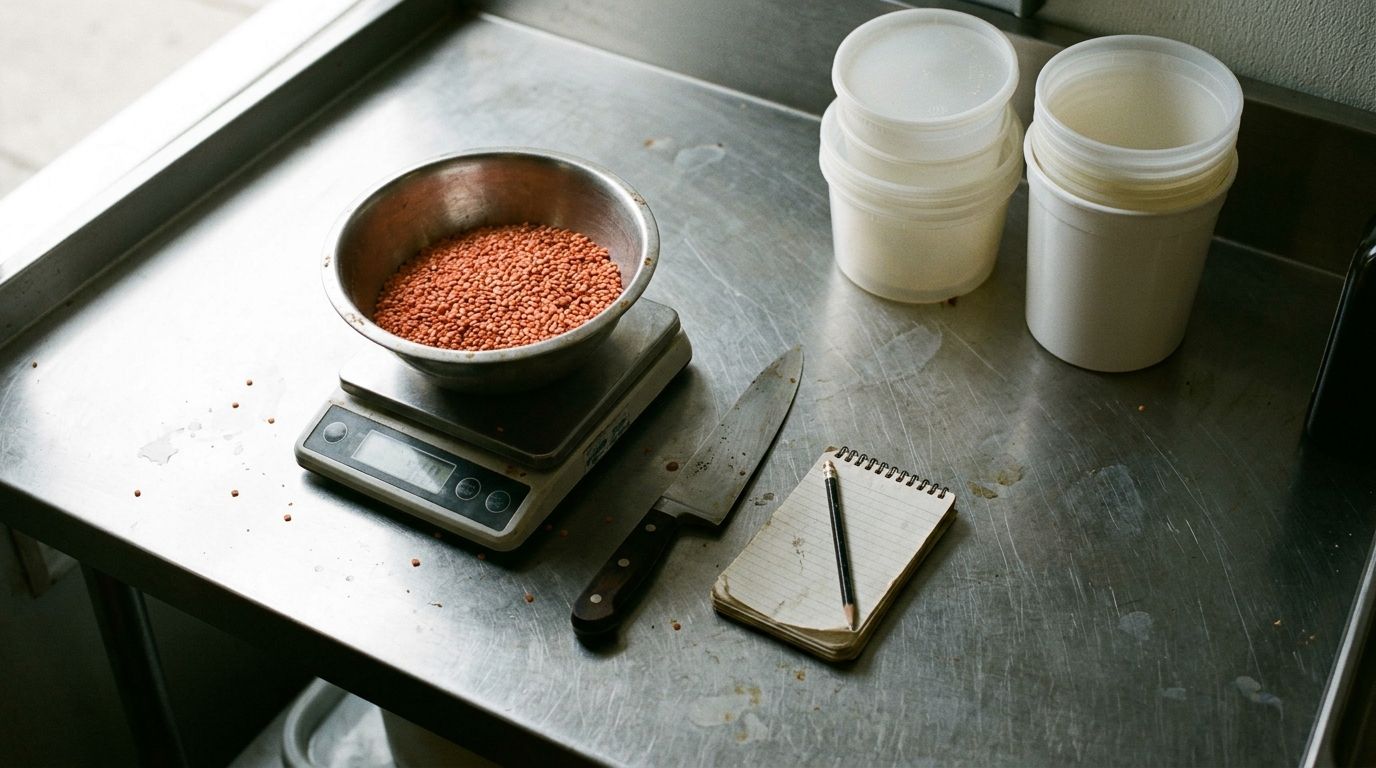
Each sheet should contain: * Dish name and category (appetizer, entrée, dessert). * A comprehensive list of ingredients, including garnishes and decorations. * Gross and net quantities: List the weight before and after peeling or trimming to understand the true yield of your products. * Unit purchase price for each ingredient. * Detailed preparation method: Cooking steps, plating instructions, and tips to ensure consistency. * A photo of the finished plate: This is the most effective tool to ensure consistent presentation, regardless of who is on the station.
Use a simple digital spreadsheet. It allows you to link purchase prices automatically to your quantities. As soon as a supplier changes their prices, the update is reflected instantly in your cost of goods sold.
Common Mistakes to Avoid at All Costs
The biggest mistake is creating these sheets once and leaving them to gather dust in a drawer. Markets fluctuate, and so do supplier prices. If you don't update your costs regularly, your margin calculations will be wrong within two weeks.
Another frequent error is forgetting "invisible ingredients." Think about the knob of butter, frying oil, salt, spices, or plastic wrap. If you omit these because they seem inexpensive individually, you will accumulate a significant gap in your overall food cost percentage. Account for them, even if you use a fixed allowance for secondary products.
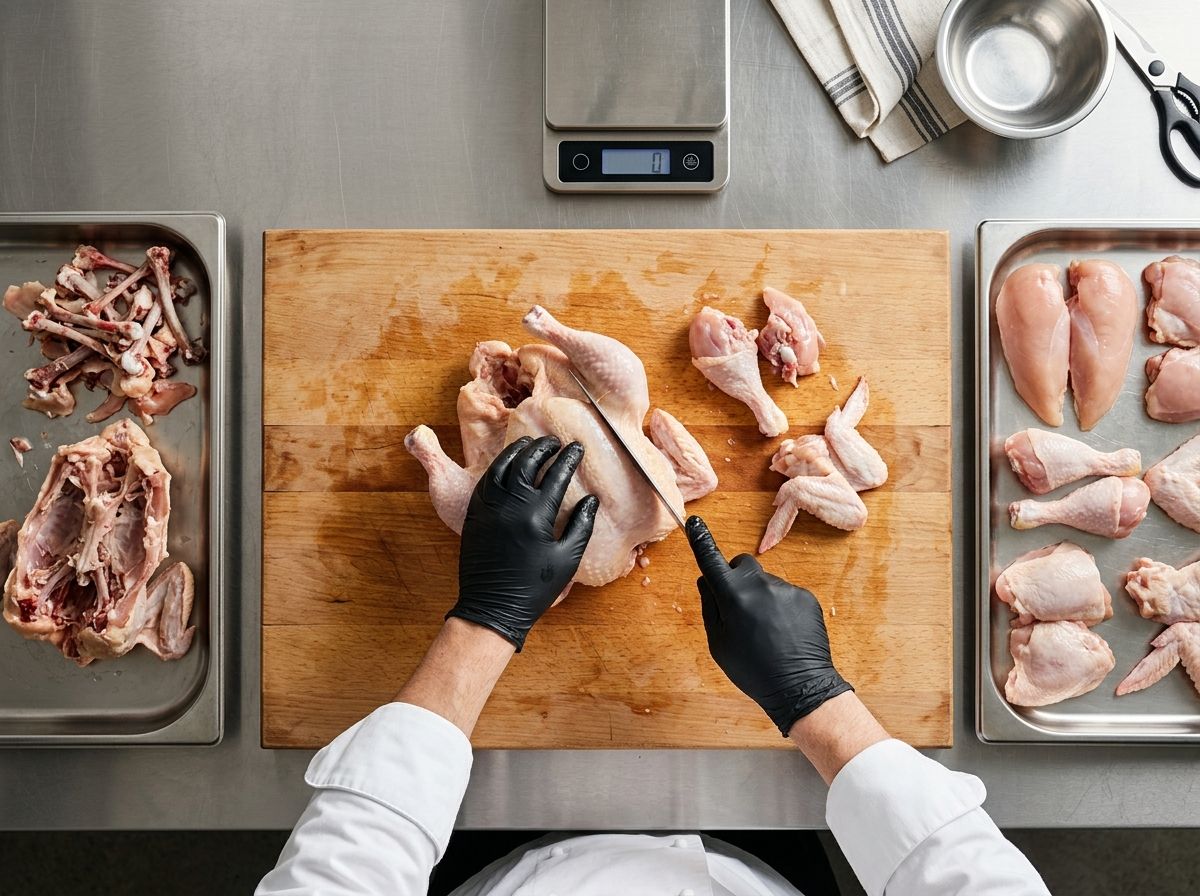
Finally, never neglect preparation losses. If you buy ten kilos of potatoes to serve eight after peeling, your cost of goods must be calculated based on the full ten kilos. Many chefs make the mistake of basing costs only on net weight, which completely distorts the reality of their investment.
The Importance of Consistency in the Dining Room
Beyond cost calculation, the recipe sheet is your guarantee for consistent quality. A customer who returns for a dish they loved expects the exact same flavor and visual presentation.
If your brigade does not follow the same recipe, your culinary identity starts to crumble. The sheet should be accessible in the kitchen—ideally laminated or available on a tablet at the workstation. Encourage your team to consult it, especially during prep (mise en place).
When a new member joins the brigade, training time is significantly reduced if they have clear, illustrated support. Instead of explaining things verbally time and again, you give them the tools to be autonomous quickly. This is precious time saved, allowing you, as the chef, to focus on creation and kitchen management.
Making Your Costing Sheets Part of Daily Life
To ensure these documents don't become dead archives, integrate them into your team rituals. During pre-service briefings, highlight key points of a new plate's presentation by referring to the sheet.
If you notice a margin slip, first verify whether the quantities indicated on the sheet are actually being followed in practice. Often, the difference between the paper and the plate comes from a "generous hand" on the line.
By involving your staff in creating or updating these sheets, you make them aware of the value of the products they handle. A cook who knows the cost of a cut of meat is naturally more careful to limit waste during butchery. Management becomes a collective effort rather than just a desk chore.