In short
- A surface can look clean and still carry bacteria: the swab proves it.
- Sample the places you suspect most: boards, slicer, handles, sink taps, cloths.
- A poor result means change the method, not only repeat the cleaning.
Cleaning is the most important job in the kitchen, and the easiest to fake without noticing. A surface swab turns "it looks clean" into a number.
Where to swab
- Cutting boards, especially for raw meat and for vegetables.
- The slicer, mixer and blender parts.
- Worktops used for cold food.
- Door handles, fridge handles and tap handles that hands touch constantly.
- Cloths and sponges.
Pick five points per visit and change some of them each time.
How to swab
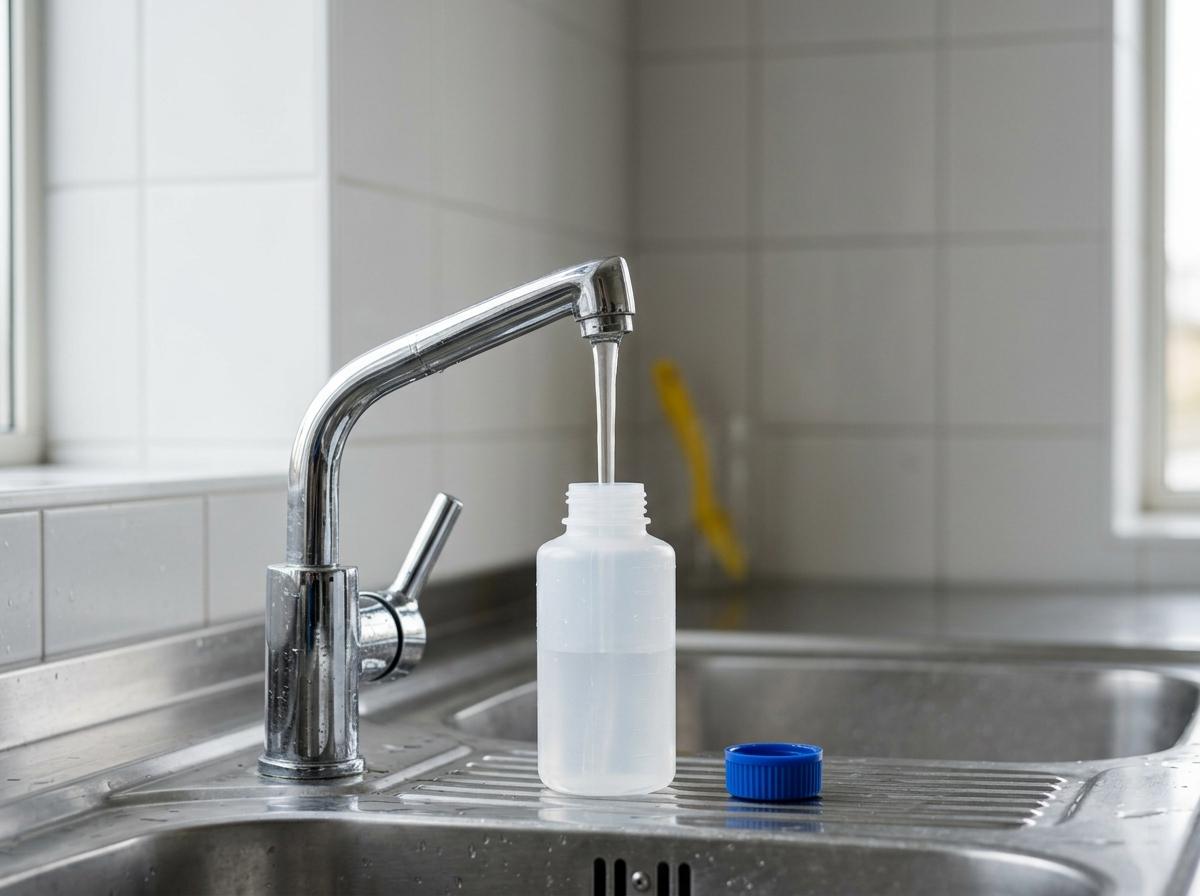
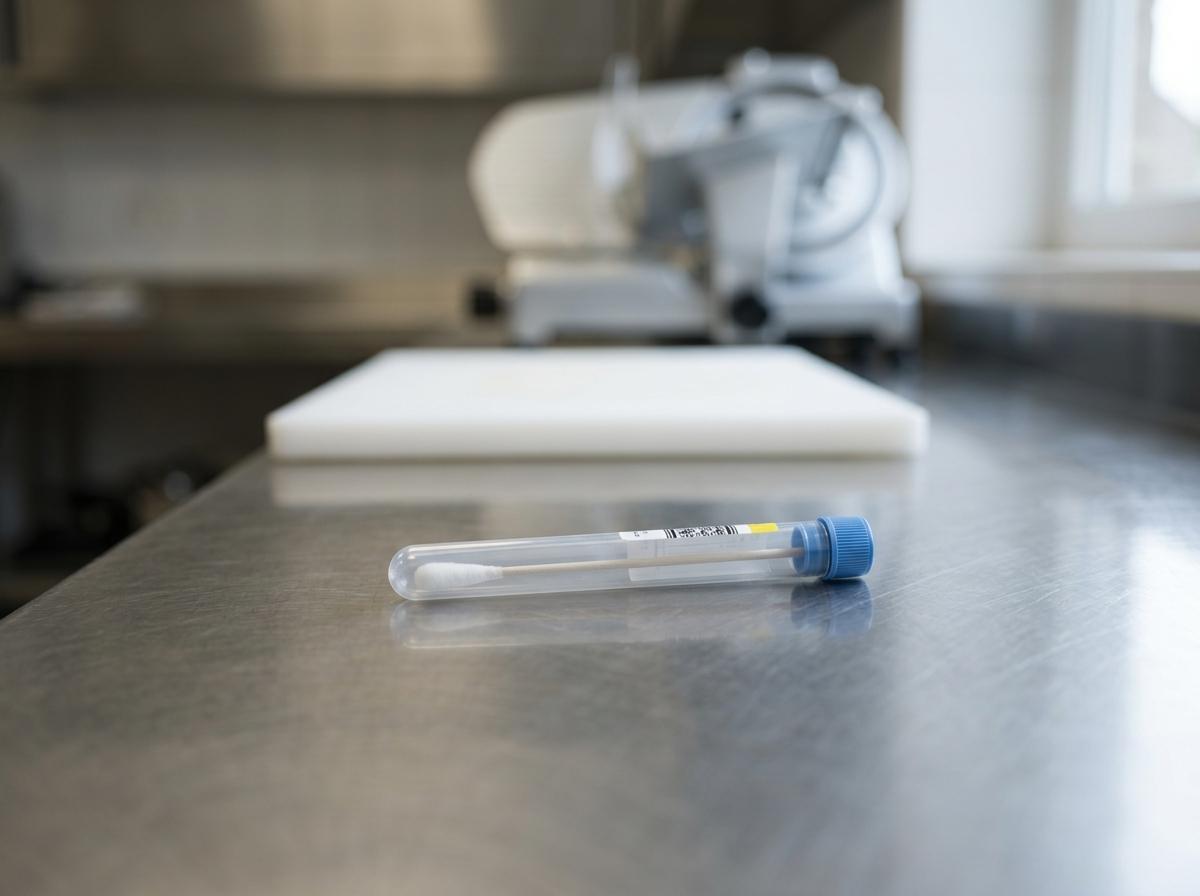
Sample after cleaning and disinfecting, at the moment the surface is meant to be ready, and before it is used. Use a sterile swab moistened in the diluent supplied by the lab. It contains a neutraliser so leftover disinfectant does not hide bacteria. Rub a 100 cm² area (about 10 by 10 cm) in two perpendicular directions, then put the swab in its tube. Alternatively, press a contact plate onto a flat surface. Label each point.
How to read results
Labs report CFU per cm². A common benchmark for food contact surfaces is under about 10 CFU/cm² for the total count, and no Enterobacteriaceae detected or less than 1 CFU/cm². These values come from professional guides and differ by lab, so read the thresholds on your own report.
Hand swabs
Hands show whether handwashing really happens. Take the swab during service, with no warning, from the palm and fingers. Do not name or shame the person: use it to improve the method, such as soap, water temperature, drying with single-use towels and reminders at the sink.
If the result is poor
- Look at the method: contact time of the disinfectant, concentration, rinsing, the dirty cloth.
- Check for biofilm in cracks, worn boards and seals.
- Retrain the team on that point.
- Resample the same point in a week.
This article is general information, not legal advice. Rules and limits change: confirm the current text with your food safety authority (ONSSA in Morocco, your national authority in the EU) and with your accredited laboratory.
Questions
When should I take a surface swab?
After cleaning and disinfection and before the surface is used, so the result shows how well your cleaning works.
Why does the lab give me a special swab?
It is sterile and moistened with a neutraliser, which stops leftover disinfectant from killing bacteria and hiding a problem.
Are hand swabs a way to blame staff?
No. They help you check the handwashing method, the facilities and the training. Share results as a team.